How to Find an Old Obituary
Searching for an obituary of a relative or acquaintance from decades ago can be frustrating. Where do you even start? If you can't find it online or your local library, is there a trace left anywhere?

In this guide
Searching for an obituary of a relative or acquaintance from decades ago can be frustrating. Where do you even start? If you can't find it online or your local library, is there a trace left anywhere? There is. A practiced search order and knowing where your trail will lead you to the obituary, or its place in local records.
Start with Modern Obituary Sites
For deaths in recent decades, funeral-home websites and online obituary aggregators may have the notice you need. Many funeral homes post obituaries on their own sites and keep them online indefinitely. They also often post notices to obituary aggregators such as Legacy.com, where notices from thousands of funeral homes are indexed and searchable by name.
Major Online Collections
Legacy.com sometimes has obituaries for older decades, depending on when the funeral home digitized its records. Another major obituary database is GenealogyBank, which has obituaries from many decades. These are the biggest online aggregators, but keep in mind they may not be exhaustively complete. Older obituaries also may be saved in databases of a library system or by a free public records office.
Searching these databases is usually free for names and dates, but you may face a paywall to view the full obituary. Before you commit, try to narrow the search with as many details as possible, including: - The first and last name - An approximate date the obituary ran or the death occurred - The city and state, if known
Local Newspaper Archives
If the death was local and decades ago, you may have better luck with newspaper archives. Look for obituaries at the libraries in the city or county where the person lived. The Library of Congress runs Chronicling America, a searchable database of historic American newspapers from 1770 to 1963. You can search with a name to see if a death notice might have appeared.
Newspapers sometimes add obituaries to their own online archives, though this depends on how long a newspaper has been publishing online. To find the archives, go to the search bar and type (e.g., “New Orleans Times-Picayune obituary”) using the newspaper's name.
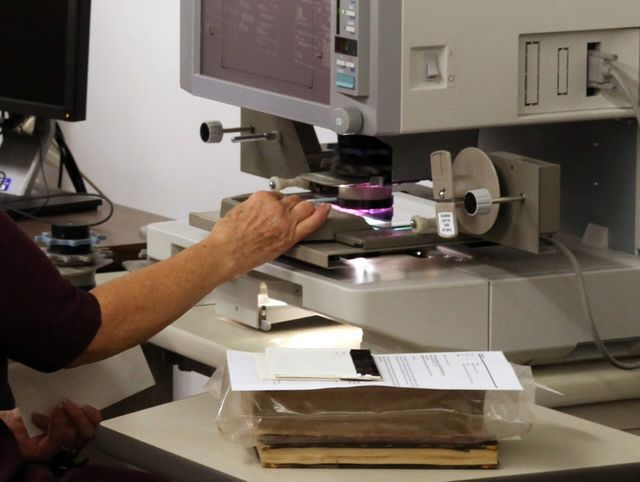
If they don't have archives, look for old newspaper indexes. These can be paper lookup indexes, microfilm reels, or online indexes.
Local Library Resources
Within the local library system, search the library's online catalog, then contact the Reference Department. Librarians may have compilations and indexes that aren't online. For example, the Boston Public Library indexes obituaries in the Boston Evening Transcript, Boston Globe, and Boston Herald/Herald American from 1932–1941 and 1953–2010.
Libraries also have access to databases that may be paywalled for individuals. Look for a set of options like HeritageHub or America’s Obituaries and Death Notices. Library cards often grant access to these indexes which summarize obituaries that aren't available in full text. Saying the library accessed them on your behalf may help with permission when sharing the resulting information.
There is also an extensive online forum for genealogists called Rootschat, which hosts old obituaries shared by the public, and GenealogyBank has examples of how to search specific families.
When No Obituary Appeared
If years of searching leave you without a memorial or funeral notice, you've still made progress. Genealogical records and the few details that appear in a local paper's obituary index pinpoint the records to ask further relatives about. The missing obituary probably fills one of three gaps.
Obituaries didn't run for all deaths. The family may not have notified the newspaper. The family may have let the funeral director draft a simple death notice, which doesn't include the personal details that make an obituary informative. Or the family used a funeral director who didn't collaborate with a newspaper at all, filing the obituary privately or finding no need to make a public announcement.
This guide describes general practice in the United States at the time of writing. Prices, library services and publisher policies change; check the current terms on the official page before you rely on them.
More from Archives & Records
How to Search Old Newspaper Archives Free
The free digital newspaper collections you can browse in a few clicks have a limit: they are scans of scans, often OCR-processed lines from microfilm or fragile paper prints.
How to Remove Your Name From a News Article
When your name appears in a news article, you may want it removed for various reasons.